
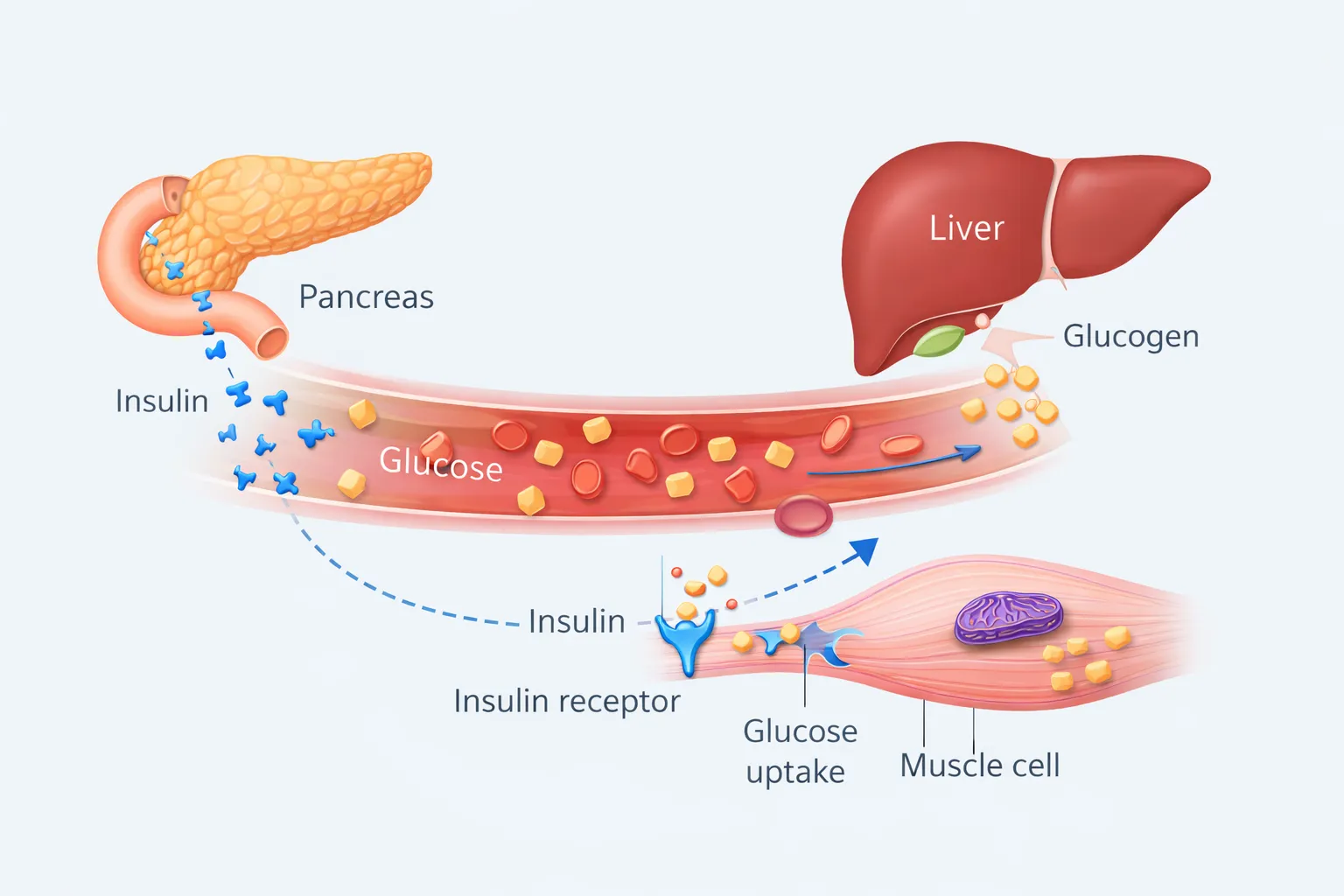
Maintaining healthy blood sugar levels involves a complex interaction between hormones, organs, cellular receptors, and metabolic pathways. Glucose regulation is not controlled by a single process, but by a coordinated system involving digestion, pancreatic signaling, liver glucose storage, and how cells use glucose for energy. Readers interested in a broader educational perspective may explore our comprehensive guide to blood sugar support and metabolic wellness strategies.
Understanding how Sugar Defender works begins with understanding how the body naturally manages blood glucose. Readers seeking a broader overview of the product’s positioning and educational context may review the complete Sugar Defender review and blood sugar support overview. Unlike medications, dietary supplements are designed to support normal physiological function rather than replace hormones or provide medical treatment. In that context, multi-ingredient blood sugar support formulas are typically structured to support foundational mechanisms such as insulin sensitivity, cellular glucose uptake, carbohydrate metabolism, and oxidative balance.
This article provides an educational, evidence-informed explanation of the biological processes involved in blood sugar regulation and describes how a formula like Sugar Defender may be designed to support those pathways as part of a broader wellness strategy. Readers who want a deeper evaluation of real-world expectations may also explore whether Sugar Defender actually works in practice. Individual responses can vary, and lifestyle factors such as diet, activity, sleep, and medical context remain central to metabolic health.
Overview
Understanding how a supplement like Sugar Defender works requires looking at the biological systems that regulate glucose metabolism. Blood sugar balance depends on coordinated processes involving insulin signaling, cellular glucose transport, liver glycogen storage, and mitochondrial energy production. This article explores how these mechanisms function under normal physiological conditions and how multi-ingredient metabolic support formulas may be structured to support those pathways within a broader lifestyle framework.
The Foundations of Blood Sugar Regulation
Before understanding how a nutritional formula is designed to function, it is essential to understand how the body regulates blood glucose under normal physiological conditions. Blood sugar control is not governed by a single organ or hormone but by a coordinated system involving digestion, endocrine signaling, liver storage, and cellular energy metabolism. Readers interested in a deeper scientific explanation of glucose regulation can explore this overview of blood glucose physiology provided by the National Institutes of Health.
How the Body Regulates Blood Glucose
When carbohydrates are consumed, digestive enzymes break them down into glucose molecules. These molecules are absorbed through the lining of the small intestine and enter the bloodstream, leading to a temporary rise in blood glucose levels.
In response, specialized cells in the pancreas release insulin. Insulin acts as a signaling hormone, binding to receptors on the surface of muscle, fat, and other tissues. This signaling pathway is widely studied in metabolic physiology and is explained in detail in scientific resources describing how insulin signaling regulates glucose uptake in cells. This interaction activates intracellular pathways that allow glucose transporter proteins to move to the cell membrane and facilitate glucose entry into the cell.
Once inside the cell, glucose may be:
- Used immediately for energy production (ATP synthesis)
- Stored as glycogen in the liver and muscles
- Converted into other metabolic intermediates
The liver also plays a central balancing role. Between meals, when blood glucose begins to decline, the liver can release stored glucose to help maintain a stable internal environment. This dynamic regulation helps keep blood sugar within a healthy physiological range throughout the day.
Why Blood Sugar Balance Becomes Challenging
Although the body is designed to regulate glucose efficiently, several factors may influence how well these mechanisms function over time.
Dietary patterns high in rapidly absorbed carbohydrates can lead to repeated elevations in blood glucose, increasing demand on insulin signaling pathways. Sedentary behavior may reduce the efficiency with which muscle tissue utilizes glucose. Additionally, normal aging processes may influence cellular responsiveness to insulin.
Variations in insulin receptor sensitivity can also affect how effectively cells respond to insulin signals. This process, commonly referred to as insulin resistance, has been widely studied in metabolic research and is described in clinical resources discussing insulin resistance and metabolic health. When cells become less responsive, glucose uptake may become less efficient, requiring greater hormonal signaling to maintain balance.
Metabolic stress, oxidative load, sleep patterns, and overall dietary quality may all contribute to how effectively glucose regulation mechanisms operate. For this reason, blood sugar balance is often addressed as part of a broader lifestyle framework rather than through a single intervention.
How Sugar Defender Works Within the Body
Sugar Defender is structured as a multi-ingredient dietary supplement designed to support several biological pathways involved in normal glucose metabolism. Rather than acting on a single mechanism, formulas of this type are typically developed to provide layered nutritional support across interconnected systems.
Because blood sugar regulation depends on hormonal signaling, cellular transport, liver function, and oxidative balance, a multi-pathway strategy reflects the complexity of metabolic physiology itself.
Supporting Insulin Sensitivity
Insulin sensitivity refers to how effectively cells respond to insulin’s signal to absorb glucose from the bloodstream. When insulin binds to receptors on the surface of a cell, it triggers intracellular signaling cascades that allow glucose transporters to move to the cell membrane.
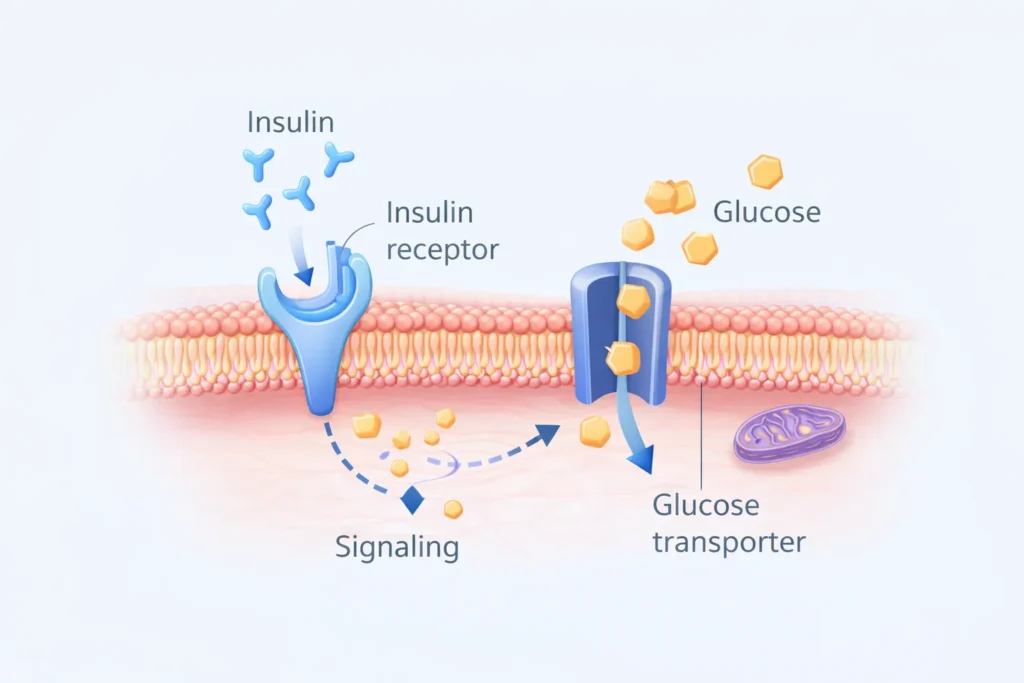
Efficient receptor responsiveness supports healthy glucose uptake and utilization. When cellular sensitivity is reduced, the body may require stronger hormonal signaling to achieve the same effect.
Certain plant-derived compounds and micronutrients have been investigated in nutritional research for their potential role in supporting insulin receptor signaling and glucose metabolism within normal physiological ranges. Readers interested in exploring formulation details may review the full Sugar Defender ingredient breakdown. These nutrients do not replace insulin or modify hormone production. Instead, they are intended to support the body’s existing regulatory mechanisms.
Maintaining insulin sensitivity is considered one of the foundational aspects of metabolic health.
Supporting Glucose Uptake at the Cellular Level
After insulin signaling occurs, glucose transport proteins—particularly those found in muscle and adipose tissue—facilitate the movement of glucose into cells.
Once inside the cell, glucose serves as a primary substrate for energy production. It enters metabolic pathways that ultimately contribute to ATP synthesis within the mitochondria.
Efficient glucose transport supports:
- Stable cellular energy production
- Reduced circulating glucose load
- Improved metabolic flexibility
Some nutrients commonly included in blood sugar support formulas are studied for their role in supporting intracellular signaling pathways associated with glucose transport and utilization. These mechanisms operate within normal physiological ranges and are influenced by overall diet and lifestyle context.
Supporting Healthy Carbohydrate Metabolism
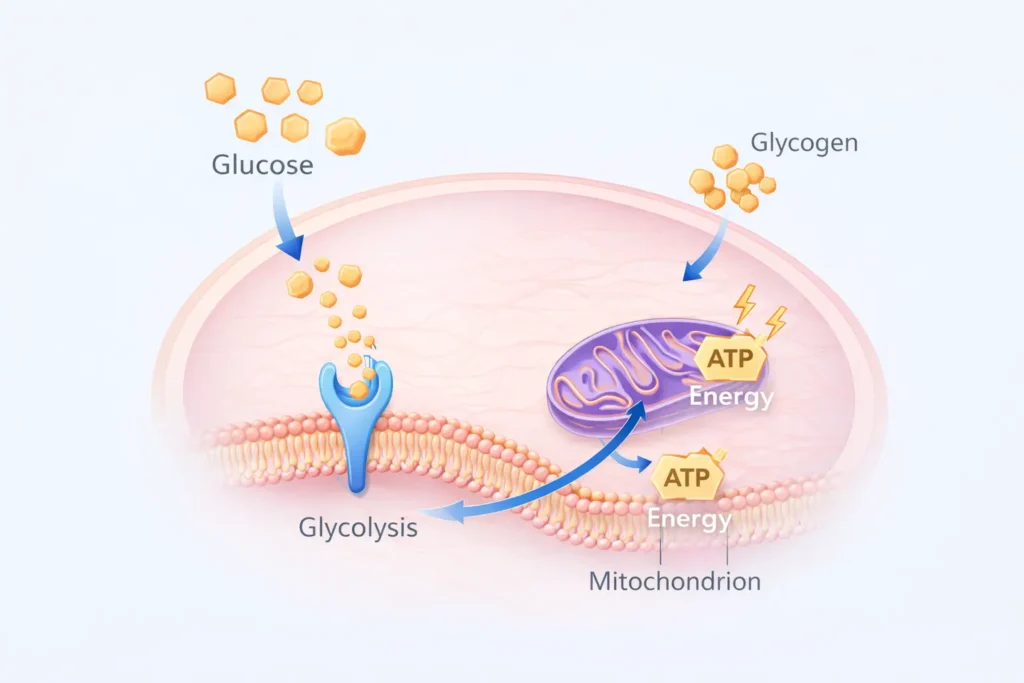
Glucose regulation extends beyond cellular entry. Once absorbed, glucose must be properly processed through metabolic pathways such as glycolysis and oxidative phosphorylation.
The liver plays a particularly important role in maintaining balance. It stores excess glucose as glycogen after meals and releases it between meals when circulating levels decline. Supporting healthy hepatic metabolic function is therefore part of broader glucose balance.
Certain botanical extracts and trace minerals are studied for their role in supporting enzymatic processes involved in carbohydrate metabolism. By helping maintain normal metabolic efficiency, nutritional support may contribute to stable energy production patterns throughout the day.
It is important to note that these effects are supportive rather than therapeutic.
Antioxidant and Metabolic Stress Support
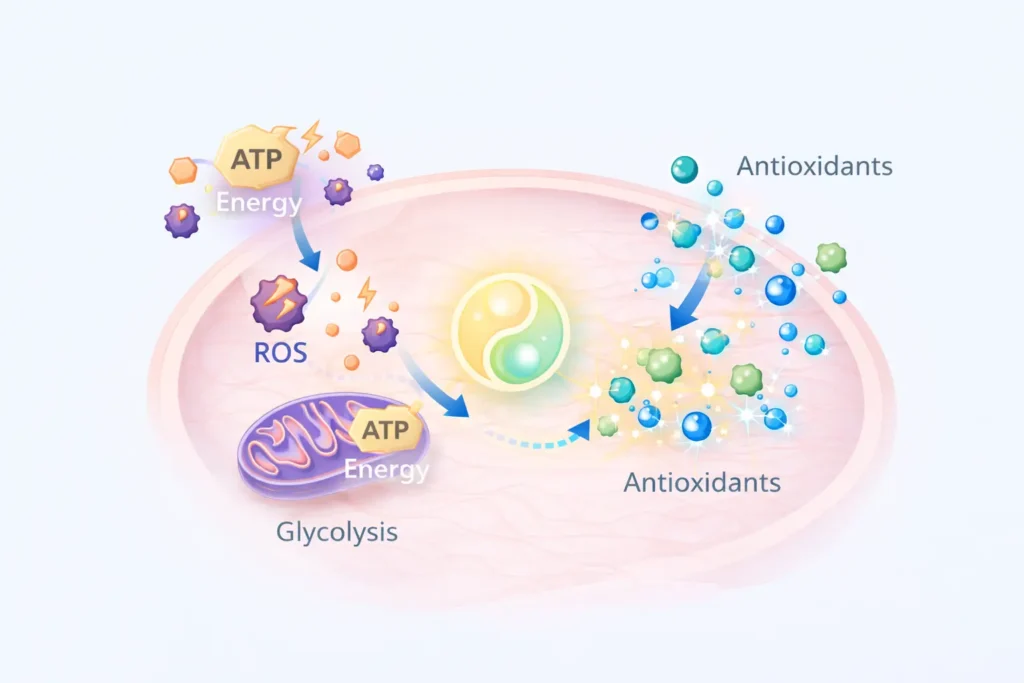
Glucose metabolism is closely linked to oxidative balance within cells. As energy production increases, reactive oxygen species (ROS) are naturally generated as metabolic byproducts. The relationship between oxidative stress and metabolic processes has been widely explored in biomedical literature discussing how oxidative stress interacts with metabolic pathways and cellular signaling.
When oxidative stress increases beyond the body’s antioxidant capacity, cellular signaling efficiency may be affected. Maintaining oxidative balance is therefore considered part of supporting overall metabolic function.
Many plant-derived ingredients included in blood sugar support formulas are studied for their antioxidant properties. These compounds may help support the body’s natural defense systems against oxidative stress, contributing to a more balanced metabolic environment.
This type of support focuses on maintaining normal cellular function rather than treating or preventing disease.
A Multi-Pathway Nutritional Strategy
Blood sugar regulation involves multiple interdependent systems, including hormonal signaling, liver glucose management, cellular energy metabolism, and oxidative balance. Because these systems interact continuously, nutritional formulas designed for metabolic support are often structured to address more than one pathway.
A multi-pathway strategy may include:
- Nutrients studied for supporting insulin receptor responsiveness
- Compounds associated with cellular glucose transport mechanisms
- Ingredients linked to carbohydrate metabolism efficiency
- Plant-based antioxidants that help maintain oxidative balance
Rather than focusing on a single metabolic target, this layered approach reflects the biological complexity of glucose regulation itself.
However, nutritional support operates within the broader context of lifestyle habits. Dietary patterns, physical activity, sleep quality, stress levels, and overall health status all influence how metabolic pathways function. Supplements are generally intended to complement these foundational behaviors, not replace them.
Individual responses to supplementation may vary depending on physiology, dietary intake, and preexisting metabolic factors.
What Sugar Defender Is Designed to Support — and What It Is Not
Sugar Defender is formulated as a dietary supplement intended to support normal blood sugar metabolism as part of a healthy lifestyle. Readers interested in exploring the metabolic benefits the formula is designed to support may review the full explanation of Sugar Defender benefits.
It is important to clearly define the boundaries of that support.
Sugar Defender is designed to:
- Support healthy glucose metabolism within normal ranges
- Complement balanced dietary intake
- Support metabolic efficiency through nutritional pathways
- Contribute to overall metabolic wellness strategies
Sugar Defender is not:
- A prescription medication
- A substitute for insulin
- A treatment for diabetes or metabolic disease
- A replacement for medical evaluation or clinical care
Dietary supplements are regulated differently from pharmaceutical products. Their role is to support normal physiological function, not to diagnose, treat, cure, or prevent disease.
Individuals who are managing diagnosed blood sugar conditions, taking glucose-lowering medications, or under medical supervision for metabolic disorders should consult a licensed healthcare professional before beginning any dietary supplement. Readers may also review safety considerations and possible side effects for additional educational guidance.
Responsible supplementation prioritizes safety, context, and informed decision-making.
Readers who would like to explore the complete formulation details, ingredient breakdown, and product overview may review the official product information below.
How Long Do Nutritional Mechanisms Typically Take to Influence Metabolism?
Metabolic regulation is a gradual process. Unlike pharmaceutical agents that may produce rapid biochemical changes, nutritional compounds typically work by supporting physiological pathways over time.
Cellular signaling, enzyme activity, receptor responsiveness, and mitochondrial efficiency do not shift instantly. Instead, they adapt based on consistent input from diet, physical activity, sleep patterns, stress levels, and overall health status.
For this reason, nutritional metabolic support is generally viewed as a long-term strategy rather than a short-term intervention. Consistency, dietary quality, and lifestyle alignment remain central to how effectively metabolic pathways function.
Individual responses vary depending on genetics, baseline metabolic health, medication use, and environmental factors. Responsible expectations align with the nature of nutritional physiology: gradual, supportive, and context-dependent.
Frequently Asked Questions
How does Sugar Defender work in the body?
Sugar Defender is formulated with nutrients and plant-derived compounds studied for their potential role in supporting insulin sensitivity, cellular glucose transport, carbohydrate metabolism, and oxidative balance. It is designed to work within normal physiological pathways rather than alter hormone production or replace medical treatment.
Does Sugar Defender replace insulin?
No. Sugar Defender does not replace insulin or any hormone produced by the body. It is a dietary supplement intended to support metabolic function, not to substitute for prescription medications or clinical care.
Can dietary supplements regulate blood sugar?
Dietary supplements may help support normal metabolic processes involved in blood sugar balance. However, they are not medications and should not be used as a replacement for medical management of diagnosed conditions.
Is Sugar Defender safe for long-term use?
Safety depends on individual health status, medication use, and medical history. Individuals who are pregnant, nursing, taking prescription medications, or managing metabolic conditions should consult a licensed healthcare provider before using any dietary supplement.
How is metabolic support different from medical treatment?
Metabolic support refers to nutritional strategies designed to maintain normal physiological function. Medical treatment involves the diagnosis and management of health conditions under professional supervision. These are distinct approaches with different purposes and regulatory frameworks.
Medical Disclaimer
This article is for educational and informational purposes only and does not constitute medical advice. Sugar Defender is a dietary supplement and is not intended to diagnose, treat, cure, or prevent any disease. Individuals who are pregnant, nursing, taking medication, or managing a medical condition should consult a licensed healthcare provider before using any dietary supplement.