
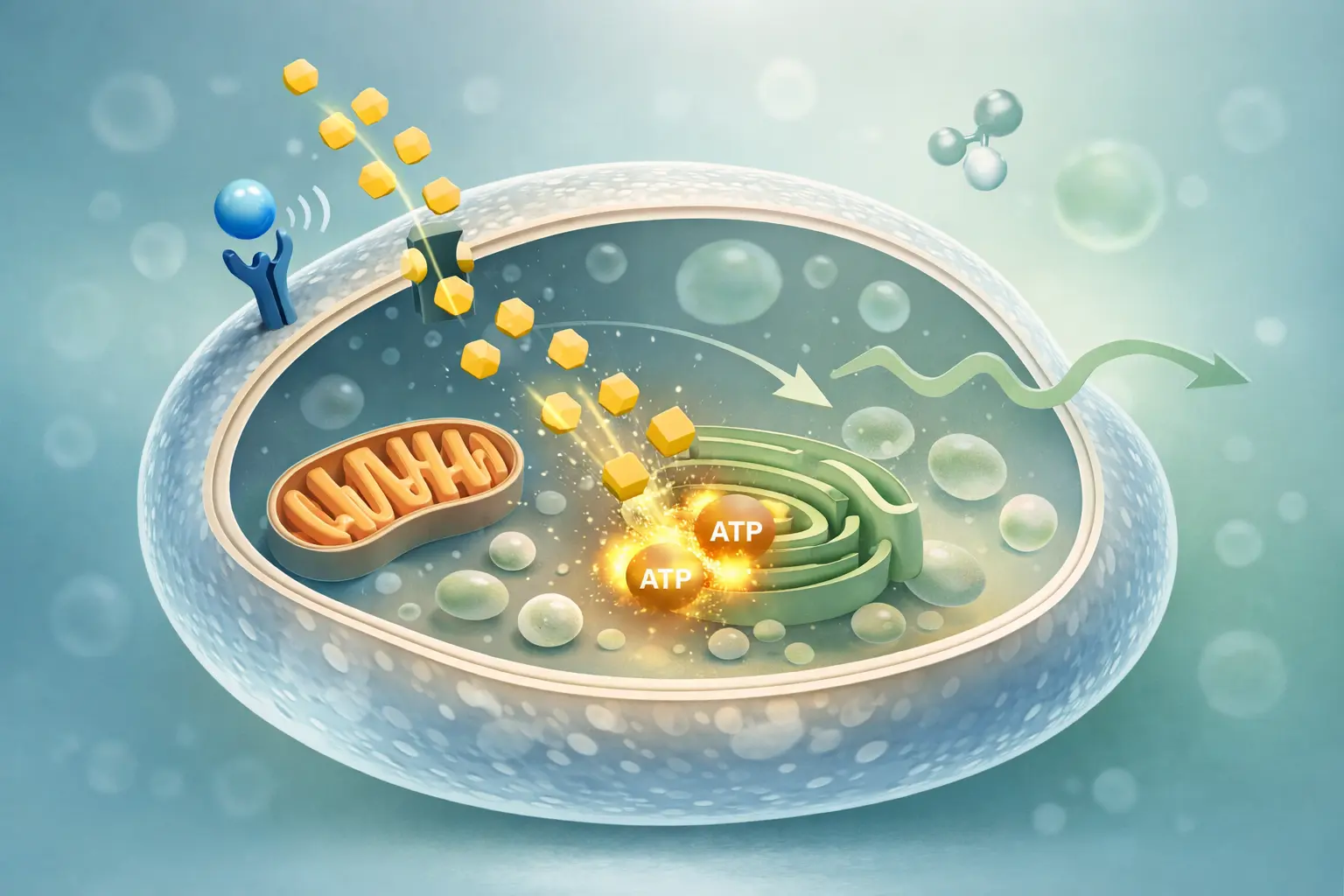
When evaluating a dietary supplement, understanding its intended benefits requires careful distinction between supportive physiological roles and medical treatment claims. Readers seeking a broader educational overview may explore the complete Sugar Defender review and blood sugar support overview. Blood sugar regulation involves complex interactions between insulin signaling, cellular glucose transport, liver glycogen storage, and mitochondrial energy production. Readers interested in a broader educational framework may explore our guide to blood sugar support and metabolic wellness strategies.
The potential benefits associated with Sugar Defender are positioned within this broader metabolic framework. Rather than functioning as a medication or providing therapeutic intervention, the formula is structured to support normal metabolic pathways involved in glucose utilization and cellular energy balance.
This article provides an educational overview of the intended supportive roles commonly associated with metabolic support supplements. It explains how these benefits are framed within nutritional science and how they relate to foundational processes such as insulin responsiveness, carbohydrate metabolism, and oxidative balance.
Individual responses to supplementation may vary depending on diet, activity level, metabolic baseline, and overall health status. Dietary supplements are not intended to diagnose, treat, cure, or prevent disease.
Overview
This article explains the intended supportive roles commonly associated with Sugar Defender and how these benefits are framed within nutritional science. Rather than focusing on promotional claims, the goal is to clarify how metabolic support supplements may interact with processes such as insulin signaling, glucose uptake, carbohydrate metabolism, and oxidative balance. Readers interested in understanding whether these theoretical benefits translate into real-world outcomes may also explore whether Sugar Defender actually works in practice.
Primary Areas of Intended Support
The intended benefits associated with metabolic support supplements are generally framed around maintaining normal physiological function rather than altering clinical markers or replacing medical care. In the context of Sugar Defender, the potential supportive roles are typically described within the following biological areas:
- Insulin signaling efficiency
- Cellular glucose uptake
- Carbohydrate metabolism balance
- Energy production pathways
- Oxidative stress modulation
Each of these areas represents a foundational component of metabolic regulation. Because glucose balance depends on coordinated activity across multiple systems, supportive benefits are often described as contributing to overall metabolic stability rather than targeting a single isolated process.
The following sections examine these intended areas of support individually, explaining how they relate to normal metabolic physiology and how nutritional compounds are positioned within these pathways.
Supporting Healthy Insulin Sensitivity
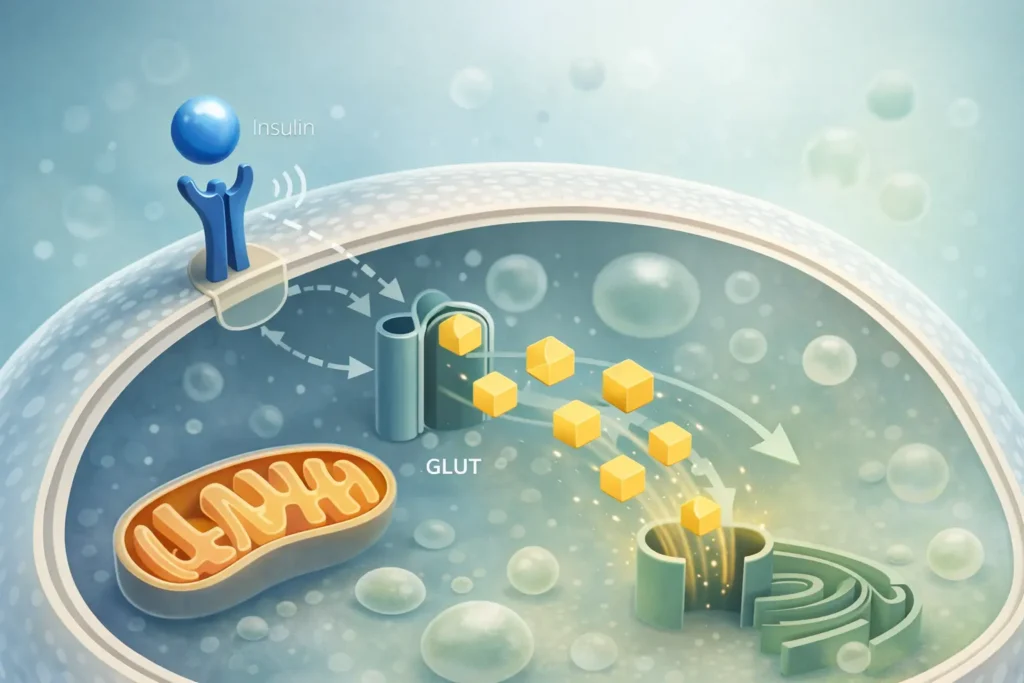
Insulin sensitivity refers to how effectively cells respond to insulin’s signal to absorb glucose from the bloodstream. Scientific resources discussing insulin sensitivity and its role in metabolic regulation provide additional context for how this process supports glucose balance. Readers interested in understanding these biological mechanisms in more detail may explore how Sugar Defender works inside the body. Under normal physiological conditions, insulin binds to receptors on the surface of muscle and fat cells, initiating a cascade of intracellular signaling that allows glucose transport proteins to move to the cell membrane.
When insulin signaling functions efficiently, glucose can enter cells more effectively and be used for energy production or stored for later use. Nutritional compounds commonly included in metabolic support formulas are often studied for their potential role in supporting normal insulin receptor activity and intracellular signaling pathways. Readers may explore the full Sugar Defender ingredient breakdown for additional educational context.
The intended benefit in this context is not to override hormonal regulation or substitute for medical therapy. Instead, ingredients are positioned to help maintain cellular responsiveness within normal physiological parameters.
Because insulin sensitivity can be influenced by multiple factors — including body composition, physical activity, sleep patterns, and dietary habits — nutritional support is generally described as complementary to foundational lifestyle behaviors rather than a standalone intervention.
Supporting Cellular Glucose Uptake
After insulin binds to its receptor, a series of intracellular signals allows specialized glucose transporter proteins to move to the surface of the cell. These transporters facilitate the movement of glucose from the bloodstream into muscle and adipose tissue, where it can be used for energy production or stored as glycogen.
Efficient cellular glucose uptake is considered a fundamental component of metabolic balance. When glucose enters cells appropriately, circulating levels remain within normal physiological ranges, and cellular energy demands can be met more effectively.
Nutritional compounds included in metabolic support formulas are often studied for their potential interaction with pathways related to glucose transport proteins and intracellular signaling mechanisms. The intended benefit in this context is to support normal glucose utilization within established biological processes.
It is important to note that glucose uptake is influenced by multiple lifestyle factors, including physical activity levels. Skeletal muscle activity, for example, independently supports glucose transport through mechanisms separate from insulin signaling. For this reason, supplementation is generally described as complementary to regular movement and balanced nutrition.
Supportive effects are positioned within normal physiological parameters and are not intended to replace medical management of diagnosed metabolic conditions.
Supporting Balanced Carbohydrate Metabolism and Energy Production
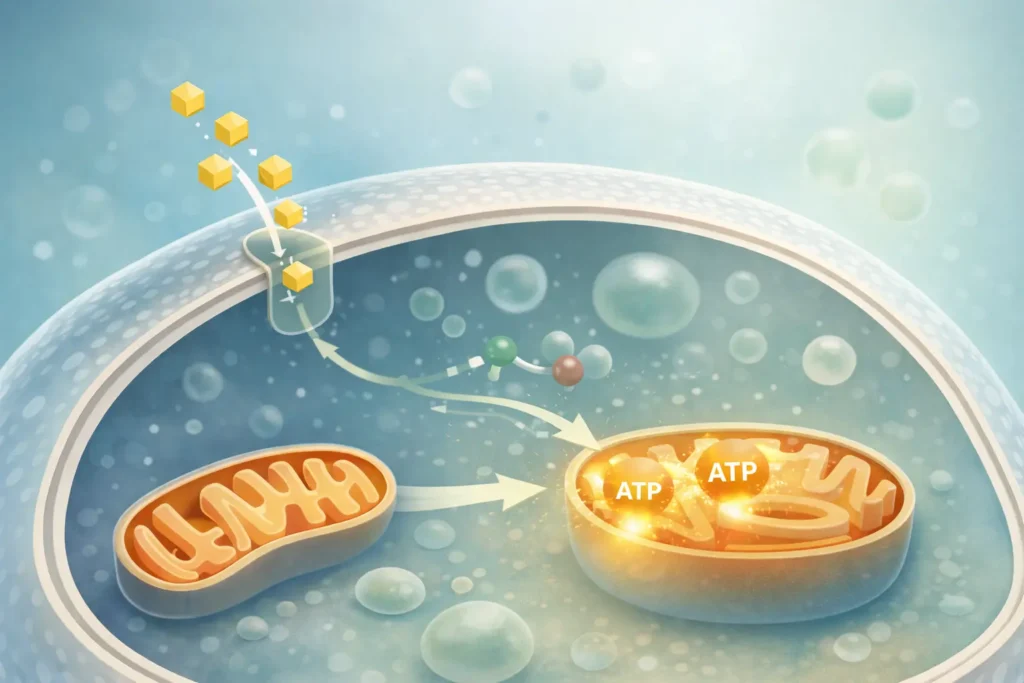
Carbohydrate metabolism refers to the processes through which the body breaks down glucose and converts it into usable cellular energy. Readers interested in the biochemical processes involved may explore scientific explanations of carbohydrate metabolism and cellular energy production. Once glucose enters the cell, it moves through metabolic pathways such as glycolysis and oxidative phosphorylation, ultimately contributing to the production of adenosine triphosphate (ATP), the primary energy currency of the cell.
Efficient carbohydrate metabolism supports steady energy production and metabolic flexibility. When these pathways function within normal physiological parameters, the body can more effectively respond to variations in dietary intake and energy demands.
Certain nutrients and botanical compounds commonly included in metabolic support formulas are studied for their interaction with enzymatic processes involved in glucose metabolism. These ingredients are generally positioned as supporting normal cellular energy pathways rather than directly altering glucose concentrations.
Because energy production is closely connected to mitochondrial function and oxidative balance, carbohydrate metabolism is considered part of a broader metabolic network. Lifestyle factors — including balanced nutrition, physical activity, and sleep — remain foundational to maintaining these processes.
In this context, the intended benefit is supportive: helping maintain normal metabolic efficiency rather than producing immediate or therapeutic effects.
Supporting Oxidative Balance and Metabolic Stability
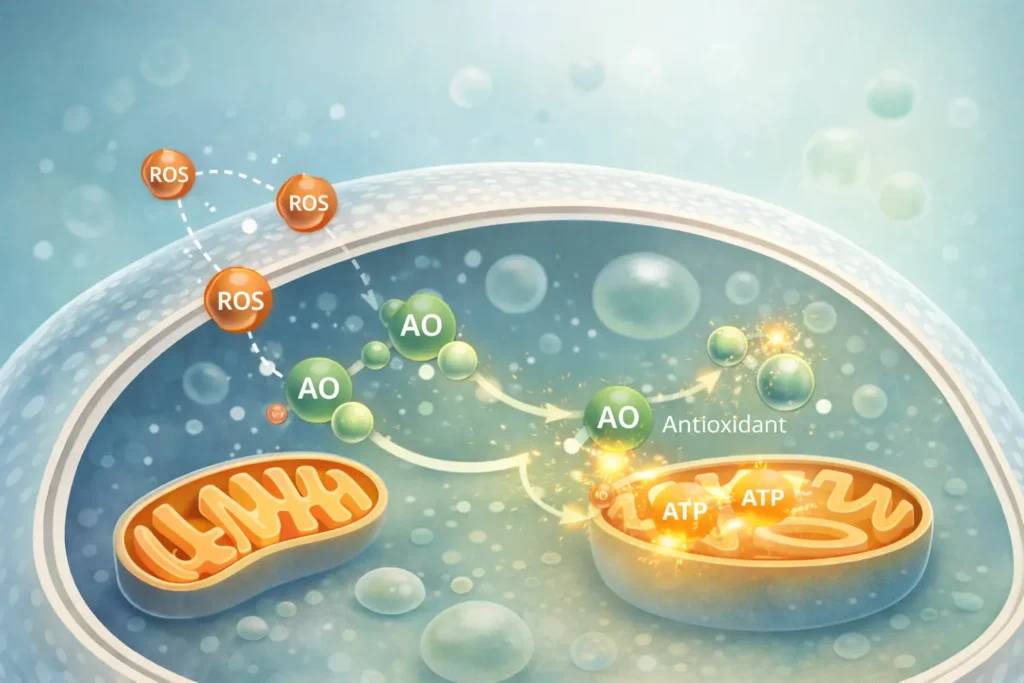
Glucose metabolism and cellular energy production naturally generate reactive oxygen species (ROS) as metabolic byproducts. Biomedical literature exploring the relationship between oxidative stress and metabolic pathways provides additional scientific context. Under normal conditions, the body maintains a balance between ROS production and antioxidant defense systems. This balance is considered part of overall metabolic stability.
When oxidative processes remain within physiological limits, cellular signaling and energy production pathways function more efficiently. Antioxidant compounds commonly included in metabolic support formulations are studied for their role in supporting this balance.
The intended benefit in this context is not to eliminate oxidative processes, which are a normal part of cellular metabolism, but to support the body’s natural defense mechanisms. Maintaining oxidative balance is often described as a complementary factor in sustaining metabolic function.
Because oxidative stress can be influenced by environmental factors, diet quality, sleep patterns, and physical activity, nutritional supplementation is positioned as one component within a broader wellness framework.
Supportive benefits related to oxidative balance are therefore framed within normal physiological function rather than therapeutic intervention.
Conclusion: Framing Benefits Within Nutritional Context
The intended benefits associated with Sugar Defender are positioned within the framework of nutritional support rather than medical intervention. By focusing on insulin responsiveness, cellular glucose uptake, carbohydrate metabolism, energy production, and oxidative balance, the formula is described as supporting foundational aspects of metabolic physiology.
Because glucose regulation depends on multiple interconnected systems, supportive benefits are generally framed as contributing to overall metabolic stability rather than targeting isolated outcomes. Nutritional compounds are positioned as working within existing biological pathways, complementing healthy lifestyle practices such as balanced nutrition, regular physical activity, adequate sleep, and stress management.
It is important to maintain realistic expectations. Dietary supplements are not substitutes for medical evaluation, diagnosis, or treatment. Individuals with diagnosed metabolic conditions or those taking prescription medications should consult a licensed healthcare professional before beginning any supplementation regimen. Readers may also review safety considerations and possible side effects for additional guidance.
When considered within appropriate context, metabolic support supplements are intended to complement — not replace — foundational health behaviors.
Readers who would like to explore how these metabolic support principles apply to the complete Sugar Defender formulation can review the full product overview below.
Frequently Asked Questions
What benefits is Sugar Defender intended to provide?
Sugar Defender is positioned as supporting normal metabolic pathways related to insulin signaling, glucose utilization, energy production, and oxidative balance. It is not intended to function as a medication or provide therapeutic treatment.
Does Sugar Defender lower blood sugar levels?
Dietary supplements are not classified as glucose-lowering medications. Sugar Defender is described as supporting normal physiological processes rather than directly altering blood glucose levels or replacing prescribed treatments.
Can Sugar Defender improve insulin sensitivity?
The ingredients in the formula are commonly studied for their role in supporting normal insulin receptor signaling. However, individual responses vary, and supplementation should be considered complementary to lifestyle practices.
Are the benefits immediate?
Metabolic support is generally described as gradual and context-dependent. Nutritional compounds typically function by supporting physiological pathways over time rather than producing immediate effects.
Is Sugar Defender a treatment for diabetes?
No. Sugar Defender is a dietary supplement and is not intended to diagnose, treat, cure, or prevent any disease. Individuals managing diagnosed conditions should consult a licensed healthcare professional before using any supplement.
Medical Disclaimer
This article is for educational and informational purposes only and does not constitute medical advice. Sugar Defender is a dietary supplement and is not intended to diagnose, treat, cure, or prevent any disease. Individuals who are pregnant, nursing, taking medication, or managing a medical condition should consult a licensed healthcare provider before using any dietary supplement.