

Understanding a dietary supplement requires more than reviewing its intended benefits. Readers seeking a broader educational overview of the product’s positioning and overall context may review the complete Sugar Defender review and blood sugar support overview. The composition of a formula — including the types of nutrients, botanical extracts, and trace minerals it contains — provides insight into how it is designed to function within normal physiological systems.
This article offers an educational overview of Sugar Defender ingredients, examining the role each component may play in supporting blood sugar metabolism, insulin signaling, and cellular energy pathways. Rather than focusing on marketing claims, this analysis explores how commonly used metabolic support ingredients are studied in nutritional research and how they are positioned within the broader context of metabolic health.
Because blood glucose regulation involves complex interactions between hormonal signaling, liver function, cellular uptake mechanisms, and oxidative balance, ingredient selection in a metabolic support formula typically reflects multiple biological targets. Readers interested in a broader perspective may explore our educational guide to blood sugar support and metabolic wellness strategies.
The sections below break down the key components of the Sugar Defender formula and explain their intended roles within normal metabolic processes. Individual responses may vary, and dietary supplements are not intended to replace medical treatment or professional healthcare guidance.
Overview
This article examines the primary ingredients included in Sugar Defender and explains how these compounds are positioned within nutritional research related to glucose metabolism and metabolic health. Rather than focusing on promotional claims, the goal is to provide an educational breakdown of how commonly studied nutrients and botanical extracts interact with insulin signaling, cellular glucose uptake, and metabolic pathways. Readers interested in understanding whether these ingredients translate into real-world results may also explore whether Sugar Defender actually works in practice.
Understanding the Role of Ingredients in Blood Sugar Support
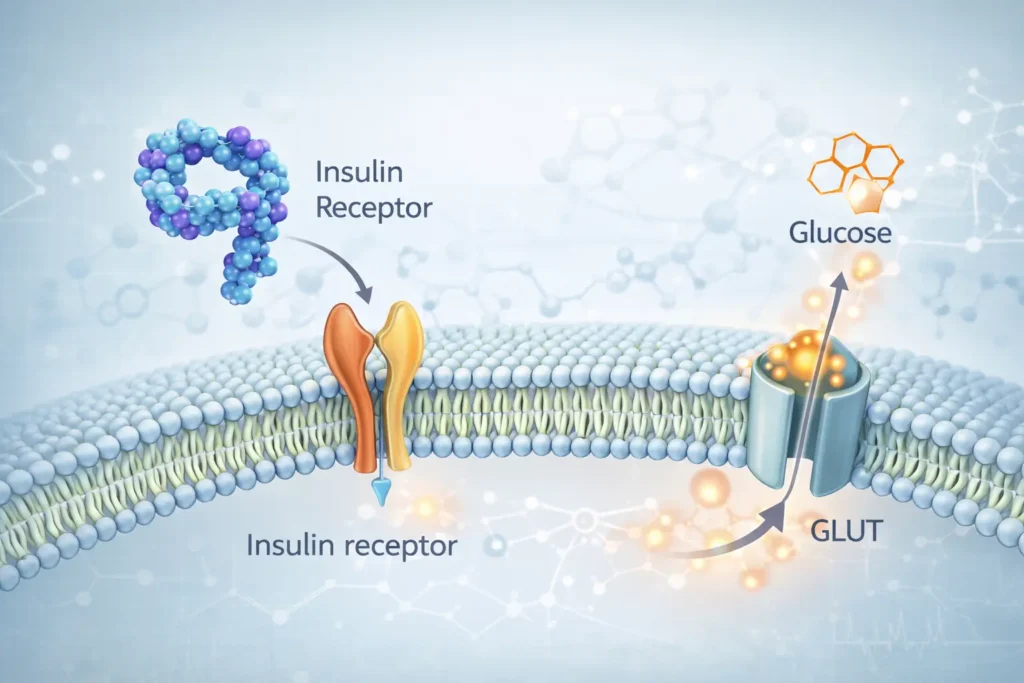
Blood sugar regulation is a multifaceted physiological process. It involves coordinated interactions between insulin signaling, glucose transport mechanisms, liver glycogen storage, enzymatic carbohydrate metabolism, and cellular energy production. Readers interested in understanding these biological mechanisms in greater detail may explore how Sugar Defender works inside the body. Because of this complexity, dietary supplements formulated for metabolic support typically include a combination of ingredients rather than relying on a single compound.
Ingredients in blood sugar support formulas are generally selected based on their presence in nutritional research related to:
- Insulin receptor signaling
- Glucose transport and cellular uptake
- Carbohydrate metabolism pathways
- Hepatic glucose balance
- Oxidative stress modulation
Rather than acting as pharmaceutical agents, these ingredients are positioned to support normal physiological pathways. Their function is supportive in nature, meaning they are intended to work within the body’s existing regulatory systems.
It is also important to recognize that nutritional compounds often demonstrate context-dependent effects. Factors such as diet quality, body composition, activity level, sleep patterns, and overall metabolic health can influence how ingredients interact within the body.
For this reason, evaluating a formula requires understanding not only what each ingredient is, but also how it may contribute to a broader metabolic framework. The following sections examine the individual components of the Sugar Defender formula and explain their proposed roles within normal blood glucose physiology.
Key Ingredients in Sugar Defender
Chromium
Chromium is a trace mineral commonly studied for its role in glucose metabolism. Scientific literature discussing chromium’s role in carbohydrate metabolism and insulin signaling provides additional context for how this micronutrient is positioned in metabolic research. It is involved in enhancing the action of insulin by supporting insulin receptor activity at the cellular level.
Nutritional research has explored chromium’s role in maintaining normal carbohydrate metabolism and supporting healthy insulin signaling pathways. Because insulin sensitivity plays a central role in blood glucose regulation, chromium is often included in metabolic support formulations.
Chromium does not replace insulin or act as a medication. Instead, it is positioned as a micronutrient that may support normal metabolic function within physiological ranges.
Berberine (If Present in the Formula)
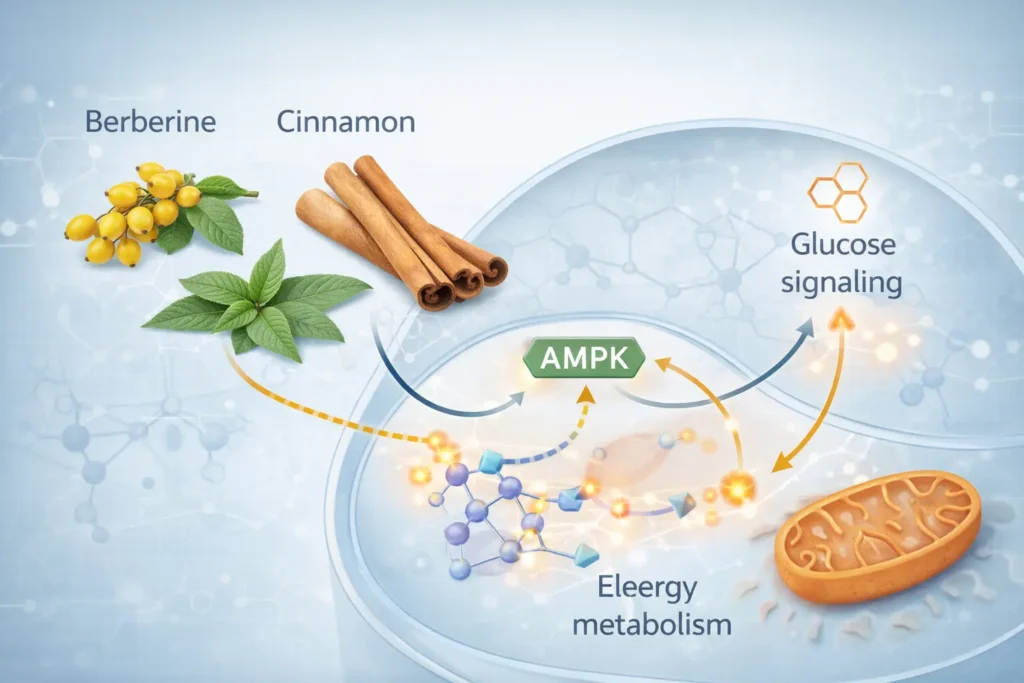
Berberine is a plant-derived alkaloid found in several botanical sources. It has been widely studied in nutritional and metabolic research for its potential interaction with pathways involved in glucose metabolism and cellular energy regulation.
Research has examined berberine’s interaction with AMP-activated protein kinase (AMPK), a cellular energy sensor that plays a role in metabolic balance. Readers interested in the biochemical research surrounding this mechanism may review scientific studies describing berberine’s interaction with metabolic signaling pathways. Its inclusion in metabolic formulas is typically associated with support for glucose utilization and energy metabolism.
As with all botanical compounds, responses may vary depending on dosage, formulation, and individual metabolic context.
Cinnamon Extract
Cinnamon extract is frequently included in blood sugar support formulas due to research exploring its potential role in supporting insulin receptor signaling and carbohydrate metabolism.
Certain compounds in cinnamon have been studied for their interaction with glucose transport pathways. Its use in supplement formulations is generally associated with supporting metabolic balance as part of a broader nutritional strategy.
Cinnamon extract is not a substitute for medical treatment but may contribute to normal metabolic processes.
Gymnema Sylvestre
Gymnema sylvestre is a botanical ingredient traditionally used in various herbal systems. Modern research has explored its potential interaction with glucose absorption pathways and pancreatic function.
In nutritional contexts, gymnema is often included for its studied role in supporting healthy blood sugar metabolism within normal physiological parameters.
Its mechanism is supportive rather than therapeutic.
Alpha Lipoic Acid (ALA)
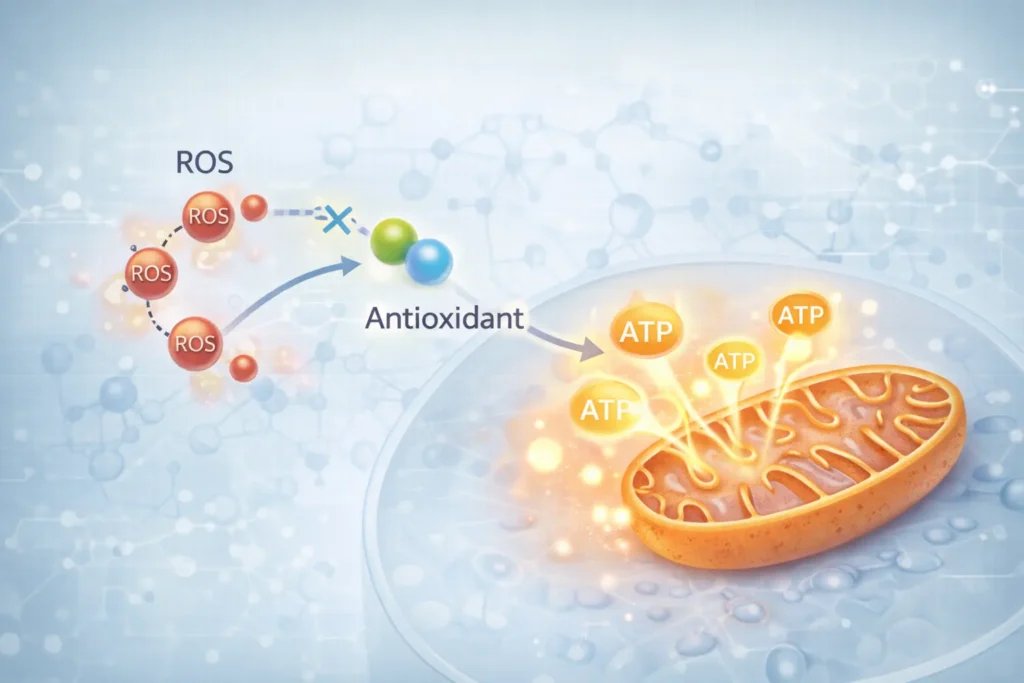
Alpha lipoic acid is an antioxidant compound involved in mitochondrial energy metabolism. Biomedical research discussing alpha lipoic acid and its relationship with oxidative balance and metabolic function provides additional context for this compound. It is naturally present in small amounts in the body and plays a role in cellular energy production.
Research has examined ALA for its role in supporting oxidative balance and metabolic function. Because oxidative stress is associated with metabolic processes, ALA is frequently included in formulas targeting metabolic support.
How Ingredient Synergy Works
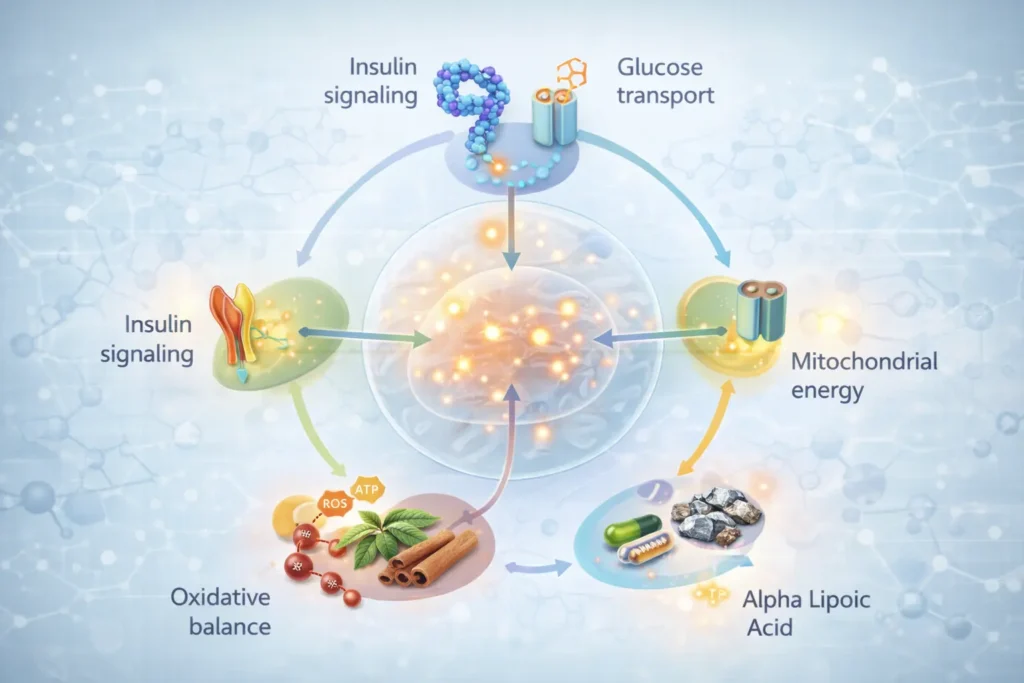
In multi-ingredient formulas, the intended effect is rarely attributed to a single compound. Instead, metabolic support supplements are typically structured around complementary pathways.
For example, one ingredient may be included for its studied role in supporting insulin receptor responsiveness, while another may be associated with cellular glucose transport or mitochondrial energy metabolism. Antioxidant compounds may help maintain oxidative balance, which is also connected to metabolic efficiency.
This layered approach reflects the interconnected nature of glucose regulation. Insulin signaling, carbohydrate metabolism, hepatic glucose management, and oxidative balance do not function independently. Supporting one pathway may indirectly influence others within normal physiological limits.
Ingredient synergy does not imply amplification beyond normal biological processes. Rather, it refers to the way multiple nutrients may operate within overlapping metabolic systems to support overall balance.
Individual outcomes may vary depending on diet, activity level, metabolic baseline, and overall health context.
What These Ingredients Are Designed to Support — and What They Are Not
The ingredients in Sugar Defender are selected based on their presence in nutritional research related to metabolic support. Readers may explore the potential benefits Sugar Defender is designed to support for additional educational context.
They are intended to support normal physiological pathways involved in blood sugar regulation.
They are not designed to:
- Replace prescription medications
- Substitute for insulin therapy
- Treat diabetes or metabolic disease
- Override hormonal signaling
- Provide immediate glucose-lowering effects
Dietary supplements operate within a regulatory framework that distinguishes them from pharmaceutical agents. Their role is supportive and complementary.
Individuals managing diagnosed metabolic conditions, using glucose-lowering medications, or under medical supervision should consult a licensed healthcare professional before using any dietary supplement. Readers may also review safety considerations and possible side effects for additional educational guidance.
Responsible supplementation prioritizes context, safety, and informed decision-making.
Readers who would like to review how these ingredients are combined within the full formulation can explore the complete product overview below.
Frequently Asked Questions
What are the main Sugar Defender ingredients?
Sugar Defender typically includes a combination of trace minerals, botanical extracts, and antioxidant compounds commonly studied in relation to glucose metabolism and insulin signaling. These ingredients are selected for their potential role in supporting normal metabolic pathways rather than acting as pharmaceutical agents.
How do Sugar Defender ingredients support blood sugar metabolism?
The ingredients in the formula are generally associated with supporting insulin receptor activity, glucose transport into cells, carbohydrate metabolism, and oxidative balance. Their function is supportive, meaning they operate within normal physiological processes.
Are Sugar Defender ingredients scientifically studied?
Many of the ingredients commonly found in metabolic support formulas have been examined in nutritional and metabolic research. However, the presence of research does not equate to medical treatment. Supplement formulations are intended to complement healthy lifestyle practices.
Do these ingredients replace diabetes medication?
No. The ingredients in Sugar Defender are not intended to replace prescription medications or insulin therapy. Individuals managing diagnosed metabolic conditions should consult a licensed healthcare professional before using any dietary supplement.
Can ingredient combinations improve results?
Multi-ingredient formulas are often structured around complementary pathways. While certain nutrients may interact within overlapping metabolic systems, individual responses vary based on physiology, dosage, and lifestyle context.
Medical Disclaimer
This article is for educational and informational purposes only and does not constitute medical advice. Sugar Defender is a dietary supplement and is not intended to diagnose, treat, cure, or prevent any disease. Individuals who are pregnant, nursing, taking medication, or managing a medical condition should consult a licensed healthcare provider before using any dietary supplement.